Book review: The Simple Art of Killing a Woman by Patrícia Melo
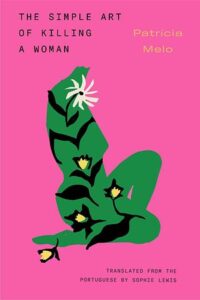 For about six months now I’ve been subscribing to the Good Book Club. Their ethos is intersectional feminist fiction from women, queer men and writers who identify as non-binary. They only choose books from indie publishers and celebrate diverse stories, often in translation. Since March, in addition to being a monthly postal subscription, they run an online book group to discuss that month’s book.
Their April book exemplified all the above. The Simple Art of Killing a Woman by Patrícia Melo (translated by Sophie Lewis) is a Brazilian novel about violence against women, with a particular focus on Indigenous women. It’s angry, funny, provocative and gave us a lot of fodder for discussion in the book group.
An unnamed young lawyer from Sao Paolo narrates this story. After she is hit by her boyfriend she takes a temporary project on the other side of Brazil. It’s a study of femicide cases in Rio Branco, a small city near the border of Bolivia in Acre, a rainforest region. The narrator attends court cases, interviews fellow lawyers and the families of the deceased.
Continue reading “Book review: The Simple Art of Killing a Woman by Patrícia Melo”
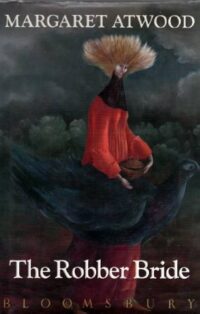 In my late teens and early 20s I read almost solely literary fiction, and in particular anything reviewed in the Times Literary Supplement or the broadsheets. This being before social media or Wikipedia, pretty much all I knew about each book would be one article I’d read in the paper. Back then I thought of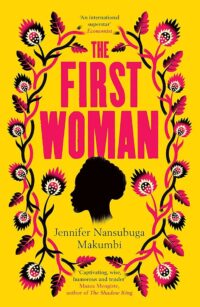
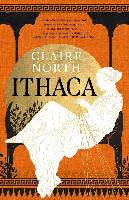 I’ve never read The Odyssey, but for my degree I had to study James Joyce’s Ulysses, which involved a couple of lectures detailing how it follows the structure of Homer’s classic. I’ve intended ever since to give The Odyssey a go but 20 years have passed now. I suspect the closest I will come is modern reworks, including those that tell just part of the story. And the best I’ve read so far is Ithaca by
  Over Christmas and New Year I had almost two weeks off work, so I thought I’d power through four or five books. I’d wrap up cosily from the world in chunky knits and soft blankets; move from bed to sofa to rocking chair; interrupted only by dog walks and meal times. Ha! I think I forgot that Christmas is also a time for trying to see all the family and friends for quality time. And that’s lovely, but does mean despite the truly terrible weather keeping the dog walks short, reading time was also short.
 The novel Our Wives Under the Sea by
  I am not a big fan of the novel-within-a-novel device. Invariably I find the secondary narrative either too dull or too abstract to keep my attention, and my interest is only held by the primary story. I found it a little odd, then, that the opposite happened with The Forty Rules of Love by Elif Shafak.

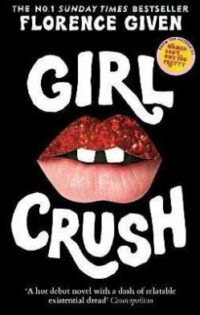 Earlier this year I realised that most of the books on my TBR are serious in tone and/or topic, and I needed more fun reads to intersperse in-between. So when I had a day out with a friend in Bath and popped into