Book review: The Coral Bones by E J Swift
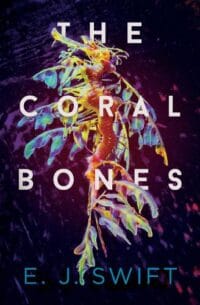
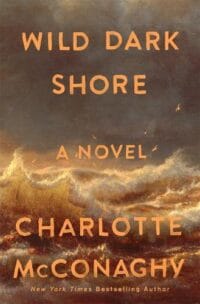
Is it something in the water or have I stumbled on a new micro genre, Australian eco fiction? After the dark, thriller approach of Wild Dark Shore by Charlotte McConaghy, there was a tinge of sci-fi to The Coral Bones by E J Swift. And I loved both books
In the vein of, say, David Mitchell’s Cloud Atlas, The Coral Bones has three interleaved narratives, all set in the same section of Australia’s coastline just under 200 years apart. In the present day, marine biologist Hana is doing all she can to save the coral of the Great Barrier Reef. In the early 19th century, 17-year-old Judith persuades her ship captain father to take her on a sea voyage. In the future, after massive climate and biodiversity catastrophes, Telma’s job is to track down rare animal sightings to help rebuild the world.
We meet Hana first. The novel opens with the discovery of a dead body on an island she’s visiting to help her friend and colleague Aaron with his research. The body, painted entirely white, is found on an inflatable painted with the words “This is what it looks like when coral dies.” Hana writes daily to her ex, Tess, switching between current events and musings on their relationship. She’s unhappy but believes her work is essential, painful as it is.
Continue reading “Book review: The Coral Bones by E J Swift”
 The first Danish book I read
 Early last year I read
  On our holiday in Denmark, we found a bookshop with a decent selection of Danish books translated into English. In a surprise turn, I picked out a sci-fi novel (Freezing Point by Anders Bodelsen) and Tim picked a literary novel:
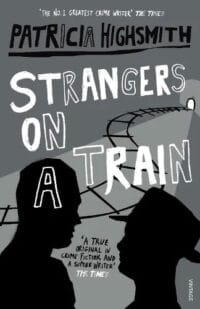 I’m a big fan of the Hitchcock film Strangers on a Train, which is based on a novel by Patricia Highsmith. And
 Sometimes a bookseller presses a book into your hands that you had never heard of and it is the most absolutely perfect read for you. Booksellers like that are a precious, precious thing.