K-drama review: Anna
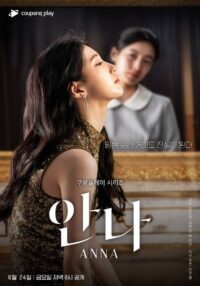 Our temporary holiday from Netflix means I have access to considerably fewer K-dramas at the moment, but there are still a few scattered between the other big streaming services. Anna (2022) started life as a web series and is currently on Amazon Prime Video in the UK. Unusually for a K-drama it’s only 8 episodes long. I didn’t even bother checking online reviews before giving it a try.
This series is most definitely at the more serious, high-quality drama end of the scale compared with a lot of other TV shows from Korea. But it didn’t drag or take itself too seriously, as I found with Misaeng.
Our main character is Lee Yu-mi (Bae Suzy – a huge Hallyu star I know mainly from Uncontrollably Fond), a young woman from a poor background who tells a lie that should have been small and insignificant but instead changes her life entirely. It also changes the tone of the show from straight drama to psychological thriller.
Continue reading “K-drama review: Anna”
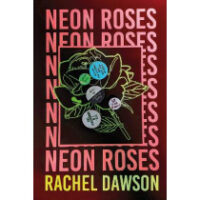 This is why independent bookshops are awesome. I probably would never have heard of Neon Roses by Rachel Dawson if my local bookshop
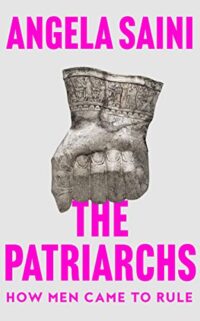 How did men become dominant in human society? When did patriarchy begin? Was it inevitable or could the world have been different?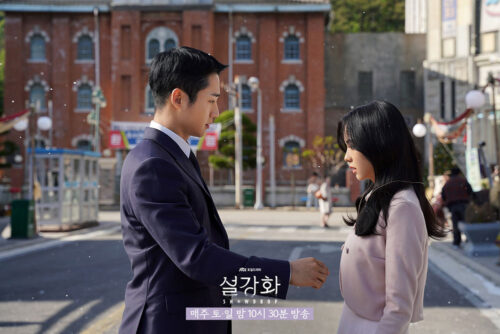
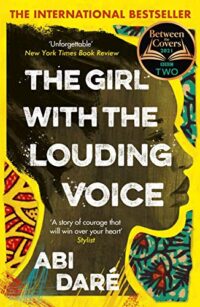 The Girl With the Louding Voice by
 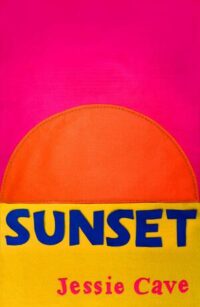 Sometimes I love a book while I’m reading it but two weeks later I have largely forgotten it. In other cases, I not only remember details but find myself reflecting on them day after day. Sunset by Jessie Cave falls into the latter category: a highly enjoyable but also profound novel.
 It can be disconcerting to realise which historical events were contemporaneous. The Aztec empire was at its height in 1519, the same year in which Leonardo da Vinci died and Catherine Howard (fifth wife of Henry VIII) was born. Japan ended its Sakoku period of isolation in 1868, the same year as the first bicycle race was held in Paris and the first traffic lights were installed in London.
 I’m a little unsure how to feel about this book.