Book review: We Have Always Lived in the Castle by Shirley Jackson
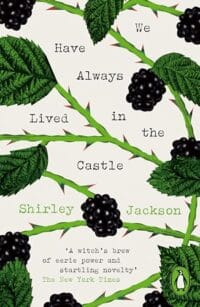
I have joined a new book club and my first read with them was We Have Always Lived in the Castle by Shirley Jackson, which it turns out is excellent book club fodder.
This is a classic for a reason – a deliciously creepy southern gothic tale packed full of mystery. First published in 1962, it feels like it could be set much earlier – until the occasional car reminds us it must be the 20th century.
Mary Katherine (Merricat) Blackwood and her older sister Constance live in a big house on the outskirts of a village with their very ill uncle Julian. Outcasts and subjects of gossip since the rest of their family died six years earlier, their lives are shrinking and filled with superstition. Yet they are, in a way, happy.
The narrator is Merricat, who is treated by most people like a child, though she must be 18 years old at this point. She needs routine and when she can’t control something, she turns to what she calls magic – which is largely made up of burying things she assigns emotional value to, or repeating certain words. It’s weird, sure, but seems harmless. And though she does harbour a lot of anger, this seems like a reasonable response to being teased and openly gossiped about.
“I always thought about rot when I came toward the row of stores; I thought about burning black painful rot that ate away from inside, hurting dreadfully. I wished it on the village”
But whether or not she is harmless is the key question that runs through the book. The rest of the Blackwood family were poisoned at dinner. Merricat, aged 12, had been sent to bed without food; Constance didn’t eat the offending dish; Julian ate less of it than the rest of the table. Constance was tried and found not guilty, but the locals clearly all think either she, or she and Merricat together, committed the crime.
This hatred from the villagers is as much a class issue as an indication of whether their suspicions are founded. There is clear resentment of the “families on the hill” in their big houses, with generational wealth. It’s a much more visible class divide than I’m used to in American books – much more typical of a British story. But it makes sense that anywhere there is a wealth divide there will be misunderstanding and anger.
There are clues dripped through the novel that the Blackwood family were perhaps not a typical family even before most of them were murdered. Constance, around a decade older than Merricat, was already more mother than sister to the younger girl even before that role was enforced by circumstances. But she is more fragile than her words let on. She never leaves the house, relying on Merricat to go to the village twice a week for food and any other supplies. When she speaks about leaving the house, it has the air of something often said that never happens.
Uncle Julian is a curious character. Reliant on a wheelchair to get around and easily tired, he has a childlike air. He looks to his nieces for reassurance, as well as depending on Constance to attend his nursing needs. Julian has a fixation on the poisoning that killed his wife, brother, sister-in-law and nephew, as well as having paralysed him. He keeps notes on every detail he can remember and asks for confirmation of his memories. He almost seems to delight in reliving it.
Food is central to the story. Constance and Merricat have a lot of rules about the food in their house. Their meals are often described in a lot of detail for such a short novel. And of course that fateful dinner six years ago is repeatedly harked back to. I guess food is life, security, survival. But in their family it can also be death.
The other central theme is the concept of evil. There are clear hints at old-fashioned ideas of witchcraft, with two sisters living effectively alone and Merricat’s “magic”. But the sisters we get to know don’t seem like witches. They may challenge norms but they make their isolation seem cosy and peaceful.
“On Sunday mornings I examined my safeguards, the box of silver dollars I had buried by the creek, and the doll buried in the long field, and the book nailed to the tree in the pine woods; so long as they were where I had put them nothing could get in to harm us.”
The peace is fragile and it is inevitably going to shatter. The question is how the fallout will proceed. And though the Blackwood sisters are weird and creepy, it’s hard not to root for them.
This was a really good read and a fun book club discussion. I’m really glad I’ve finally read this modern classic.
First published 1962 by the Viking Press.
Source: Bookshop.org